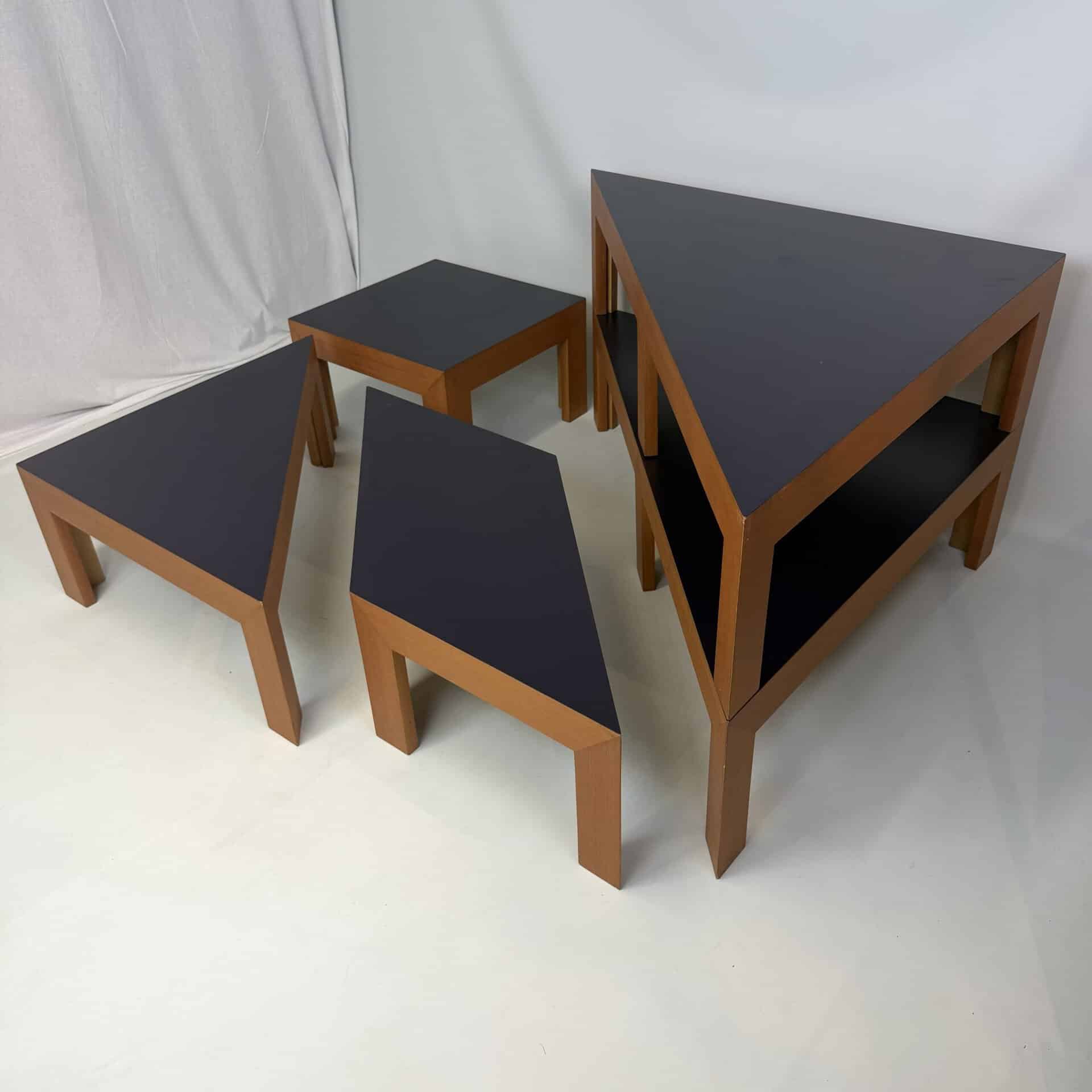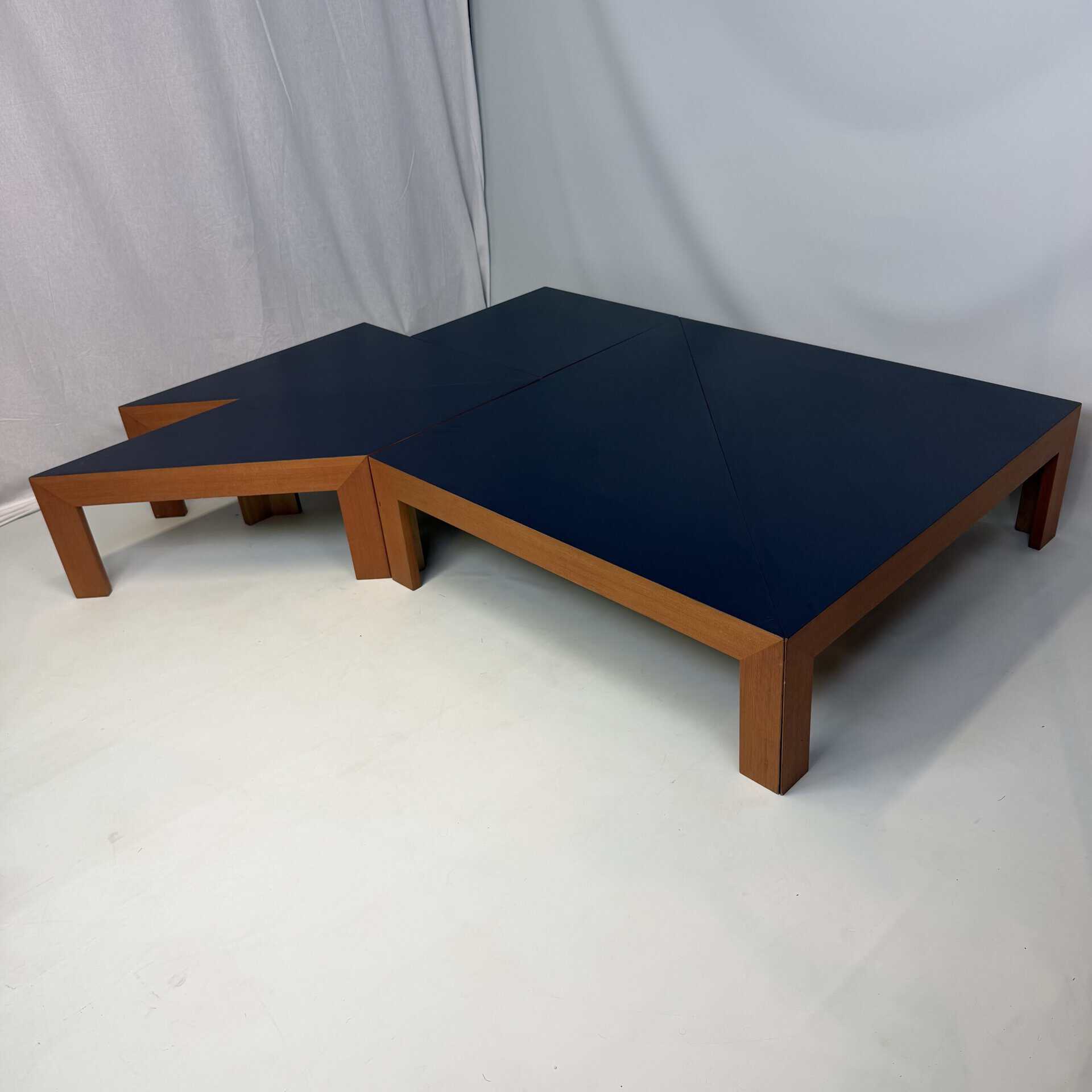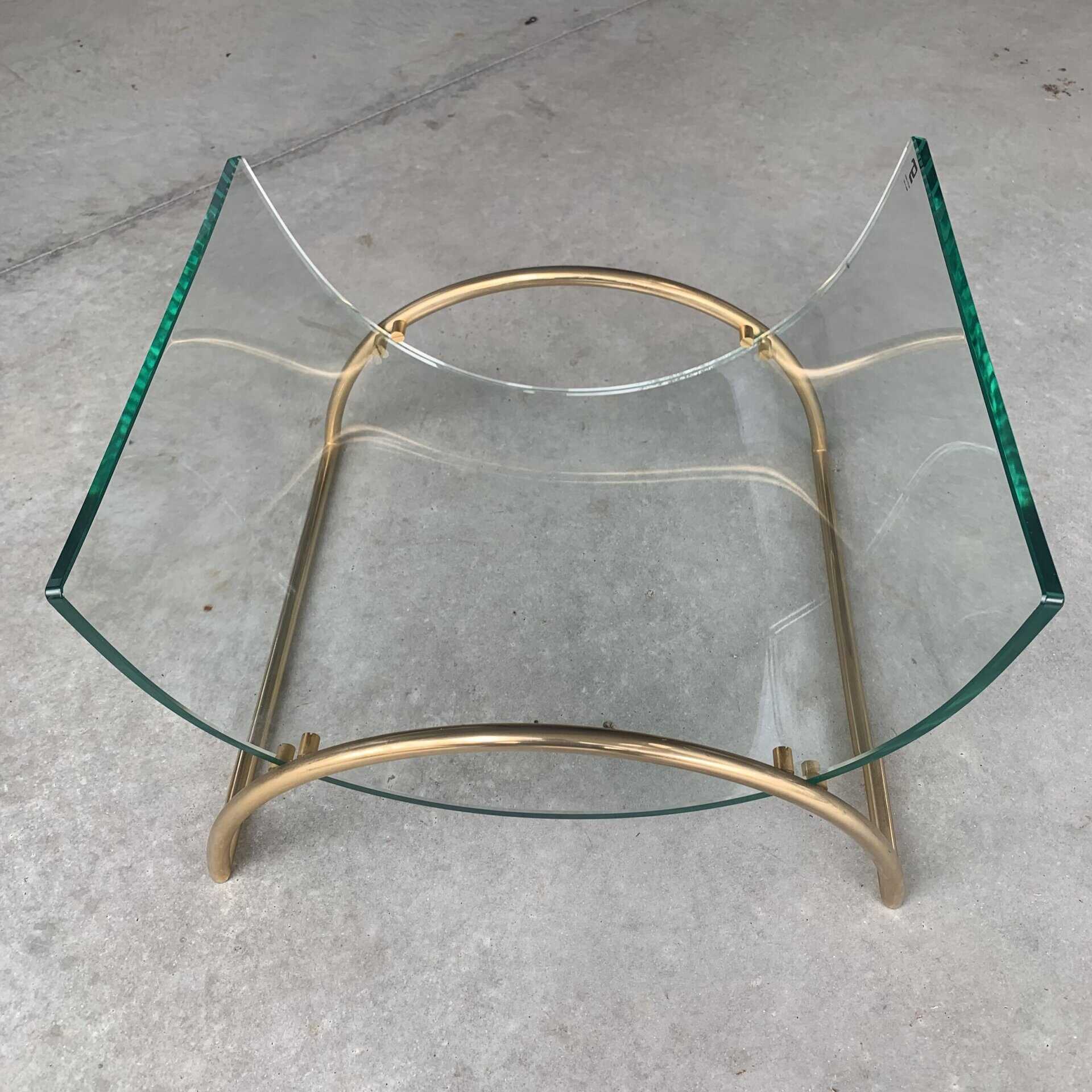
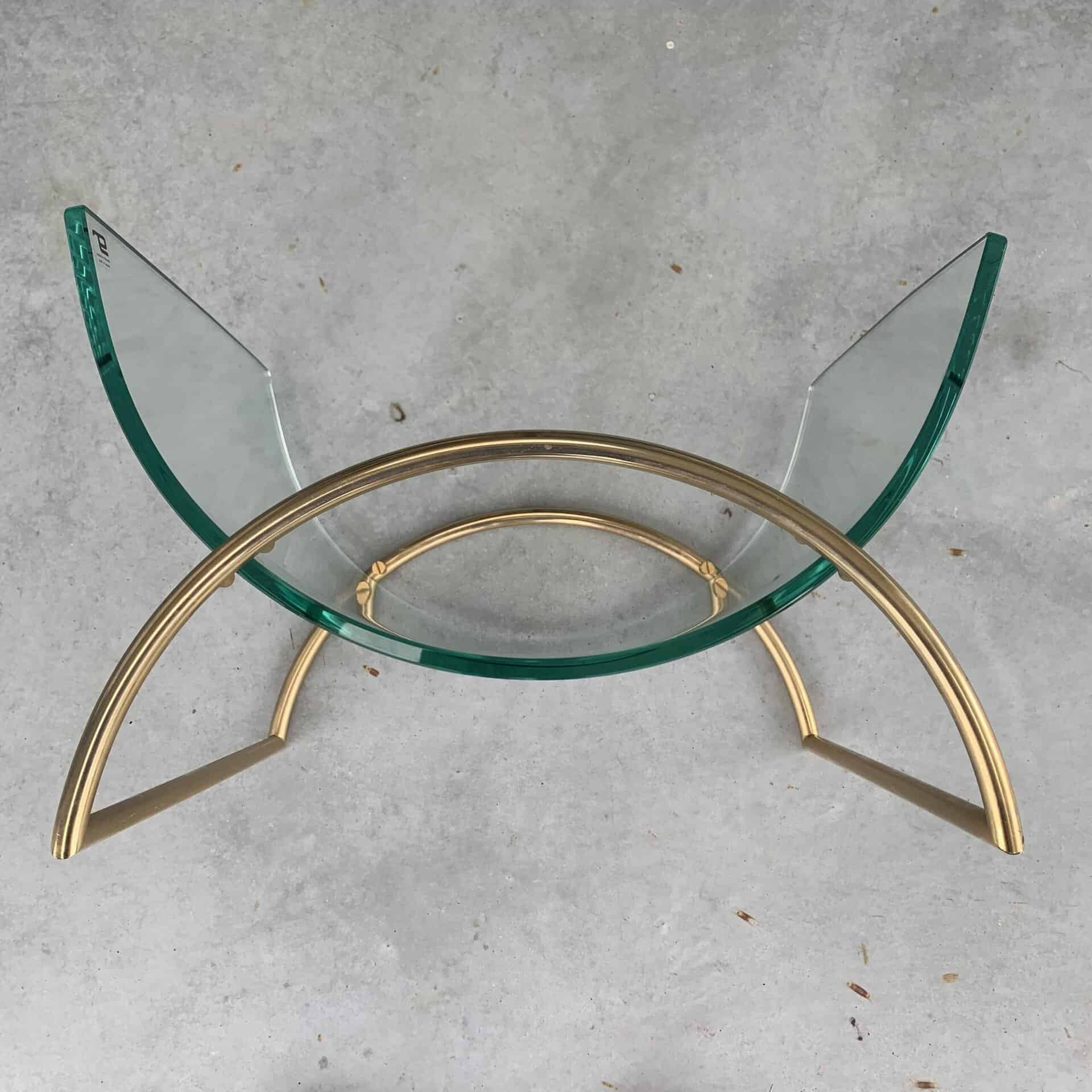
Magazine holder by Galotti and Radice
€ 250


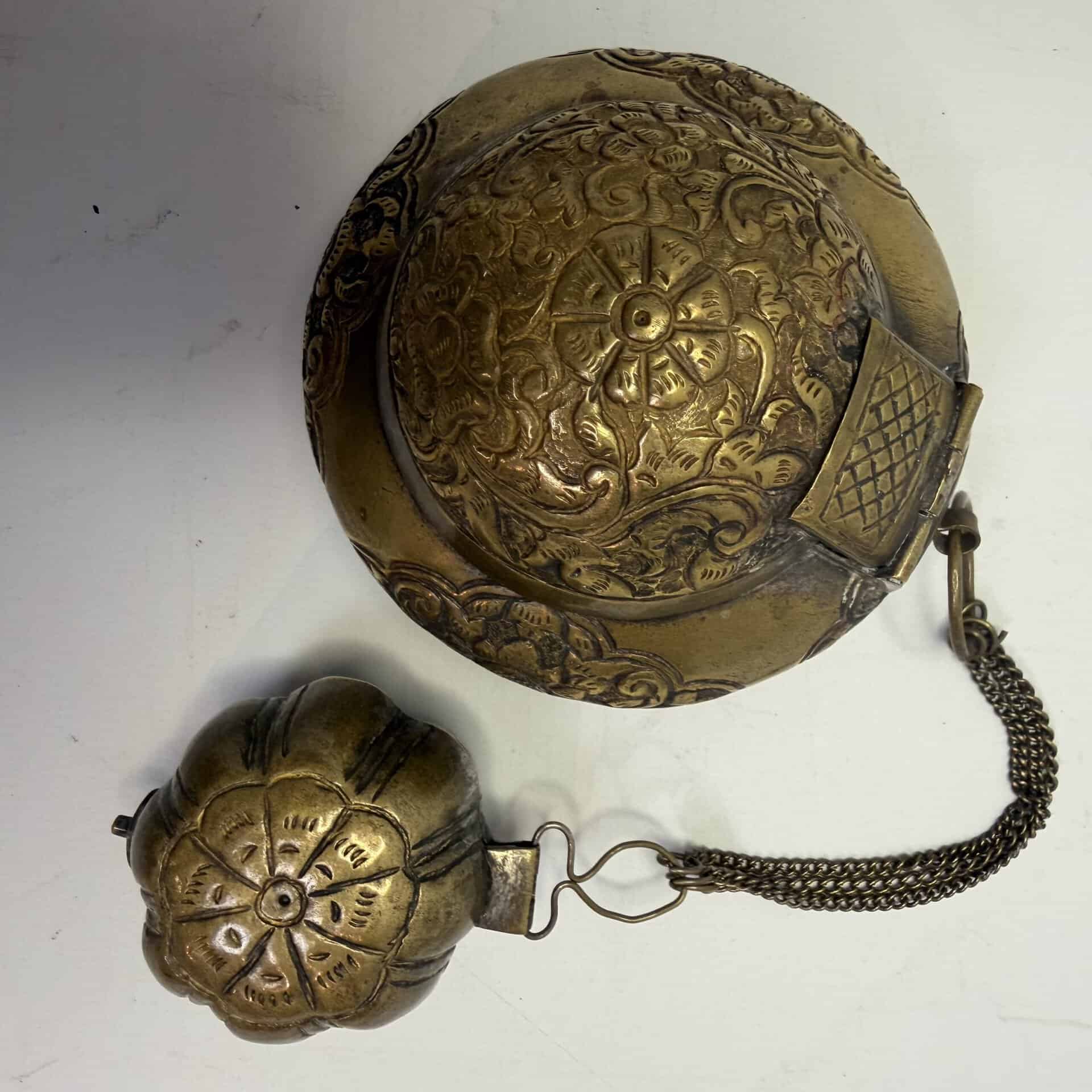
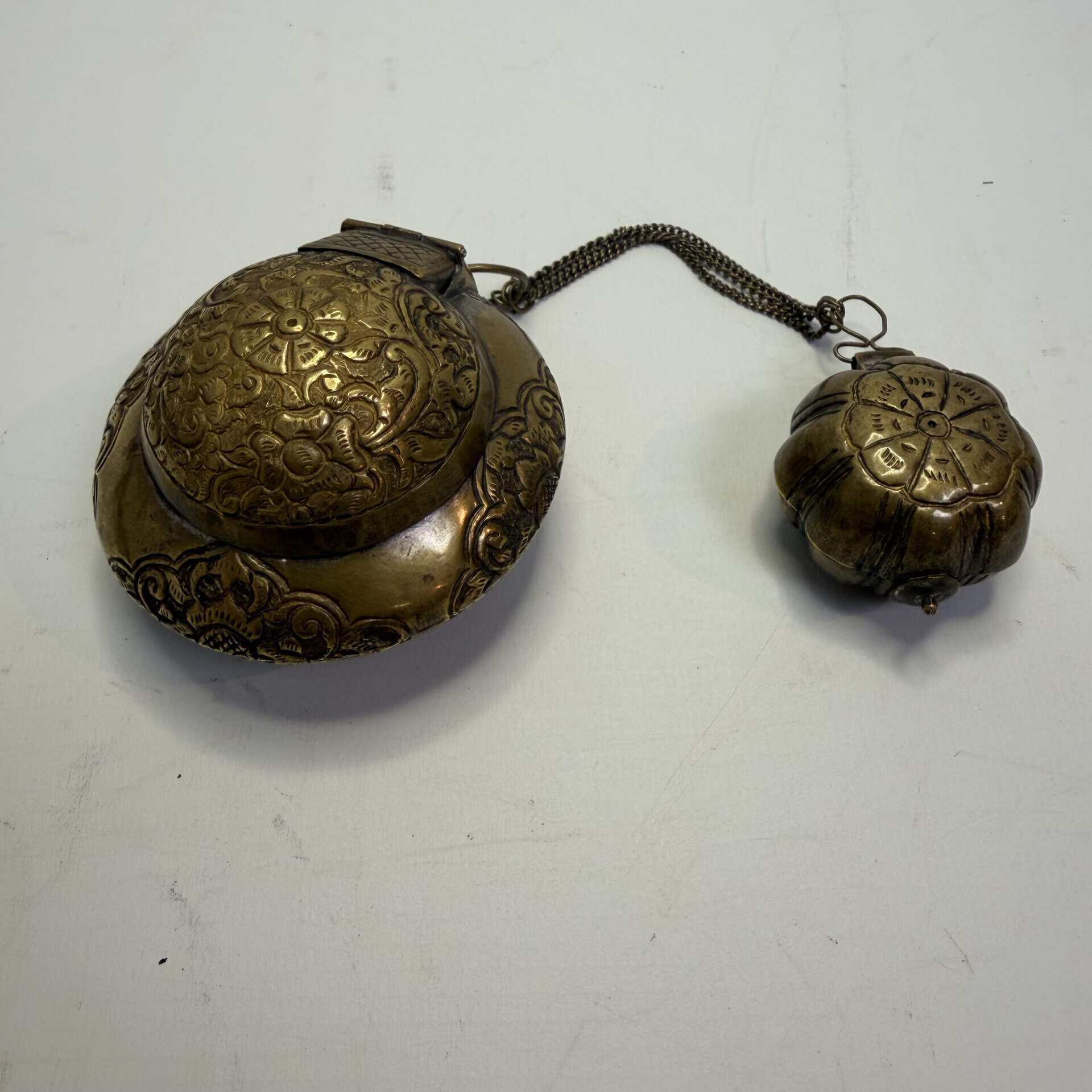
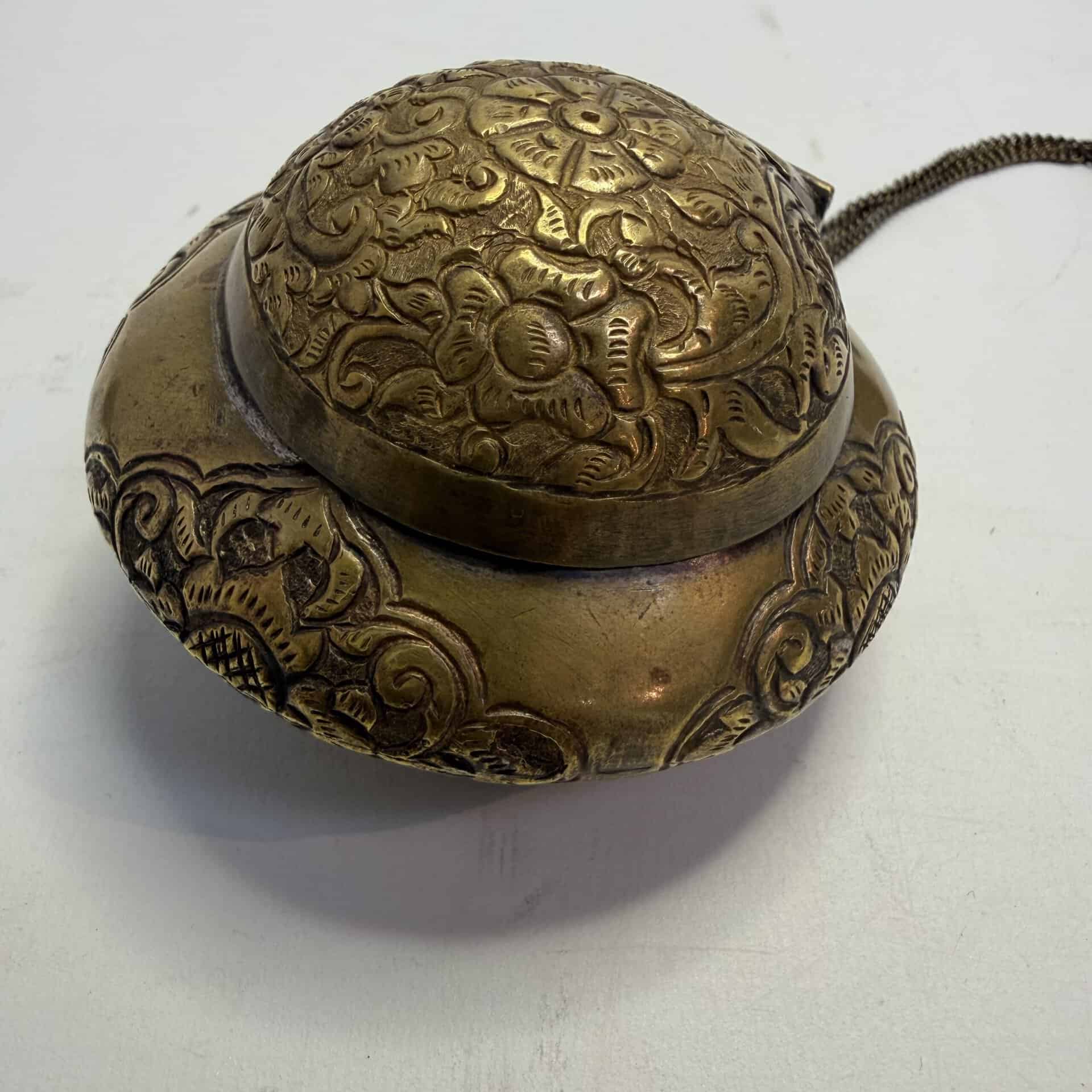
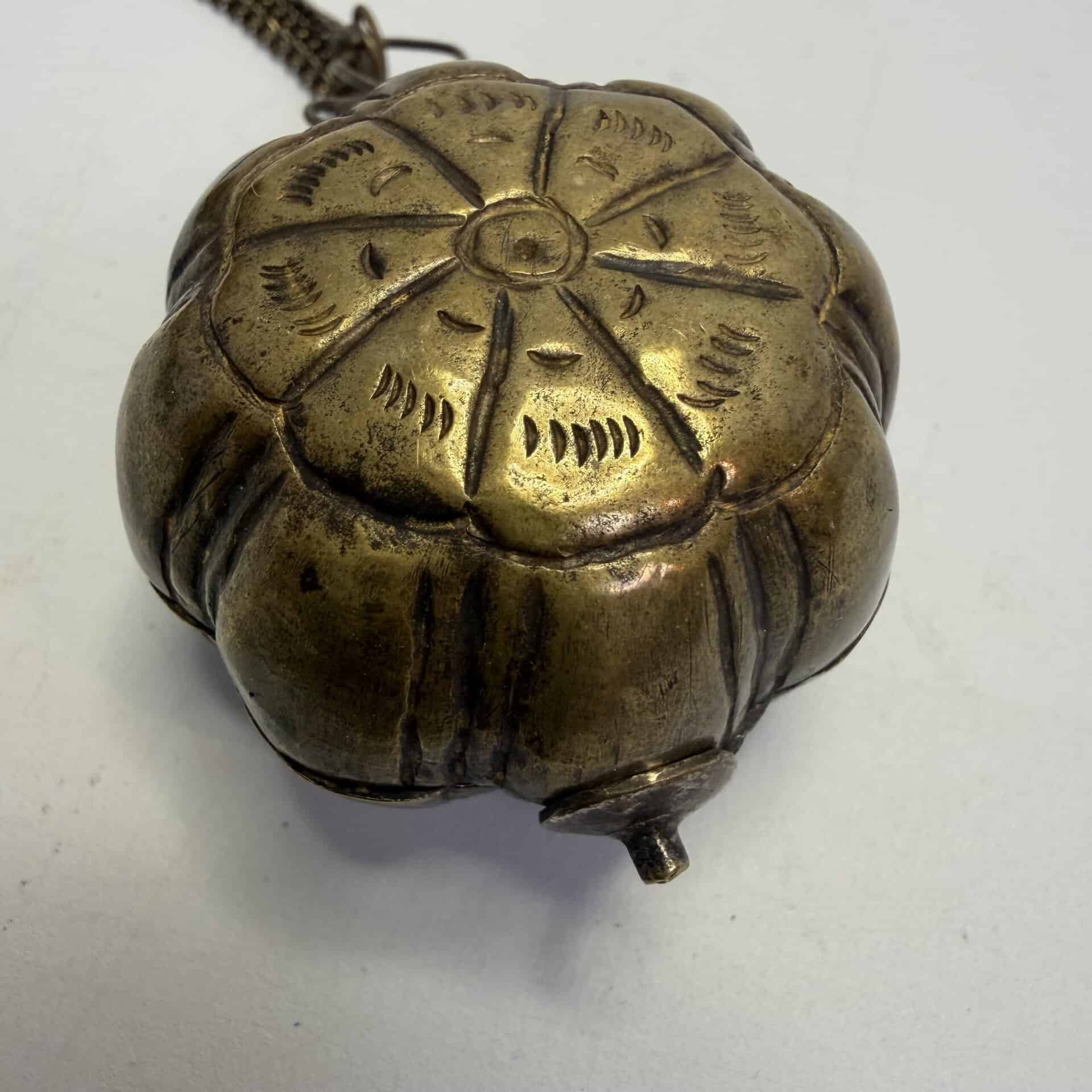
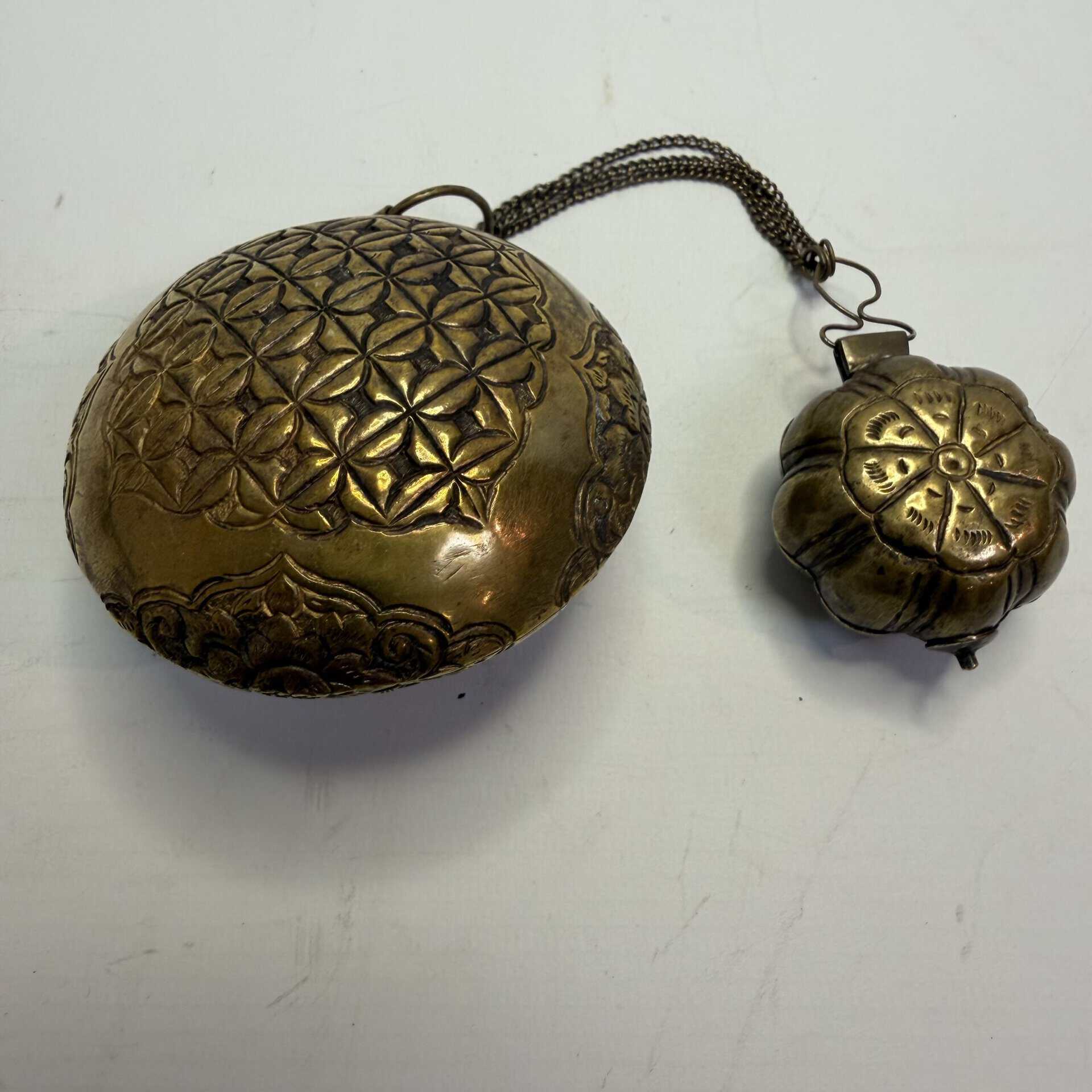
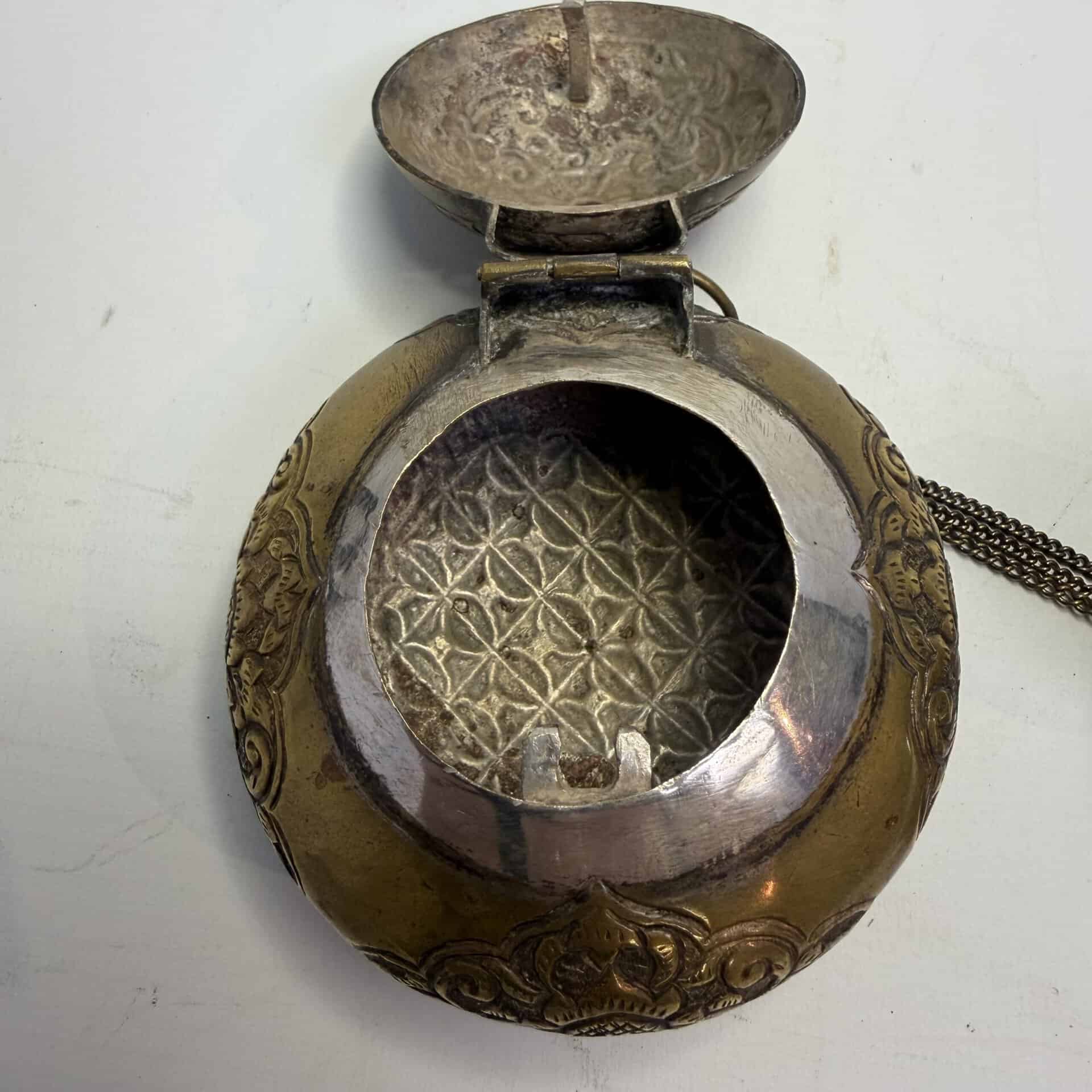
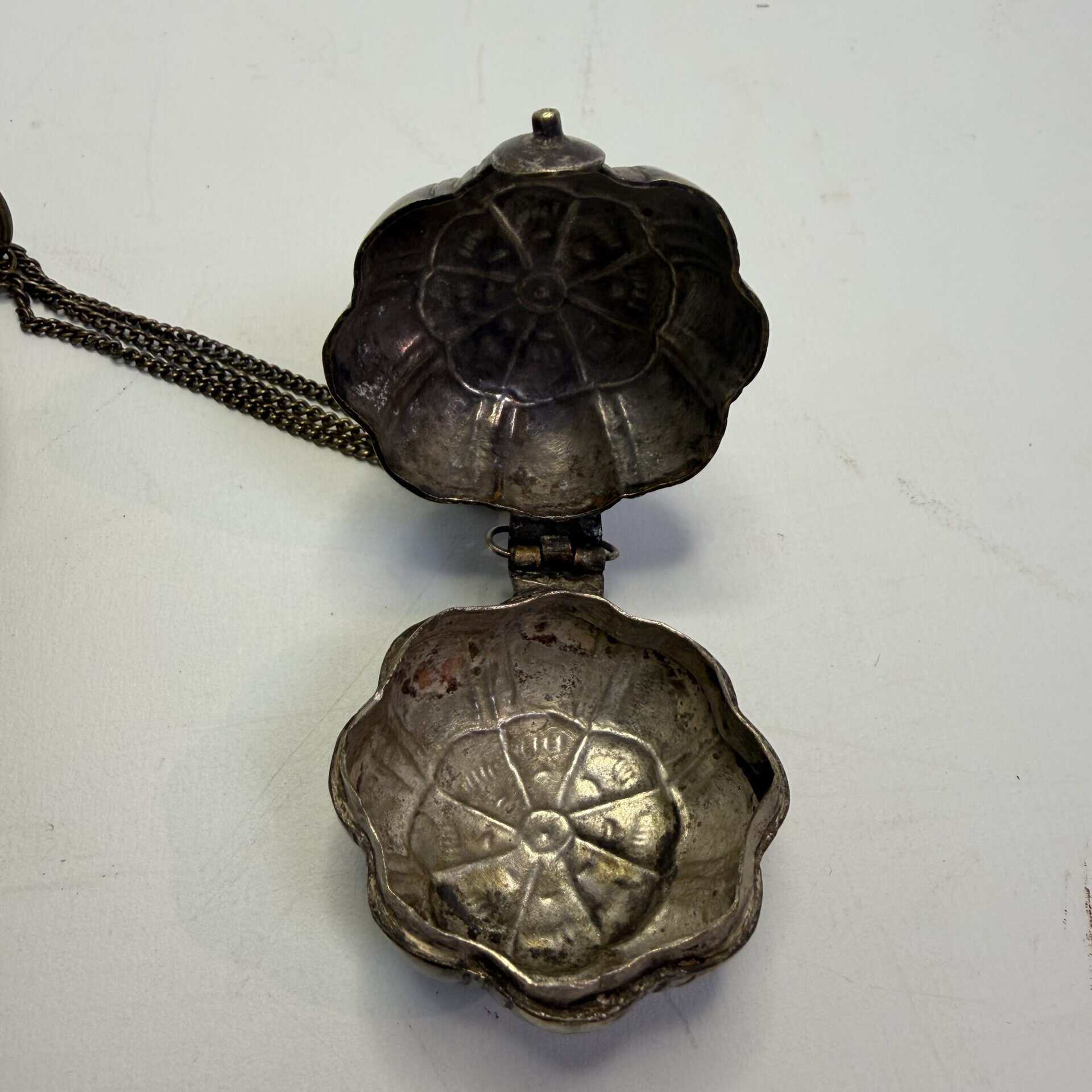
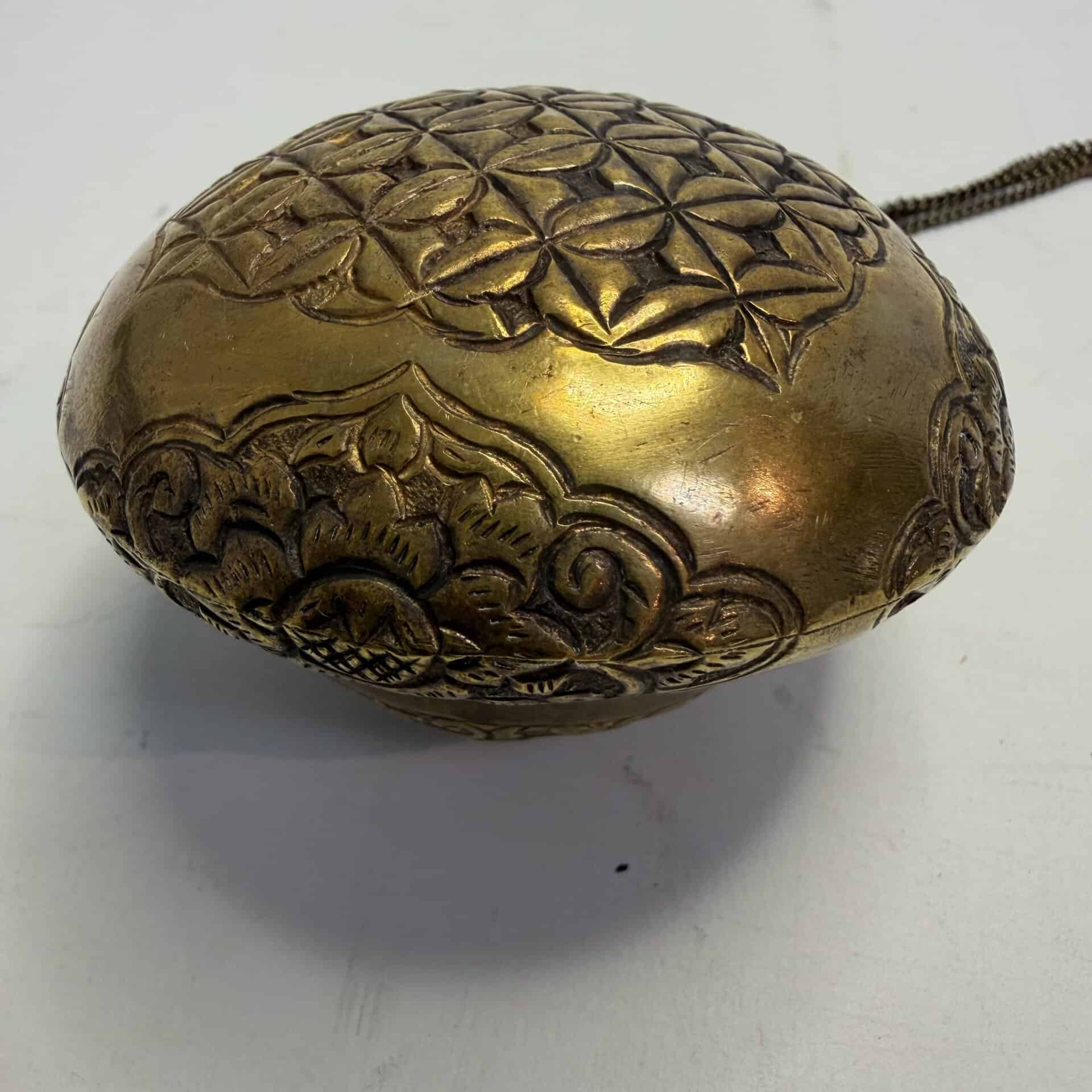
This hand-made brass set uses traditional metalworking techniques like repoussé and chasing to raise the ornate floral designs from the surface. The deep golden-brown patina highlights the age and authentic handling of the piece
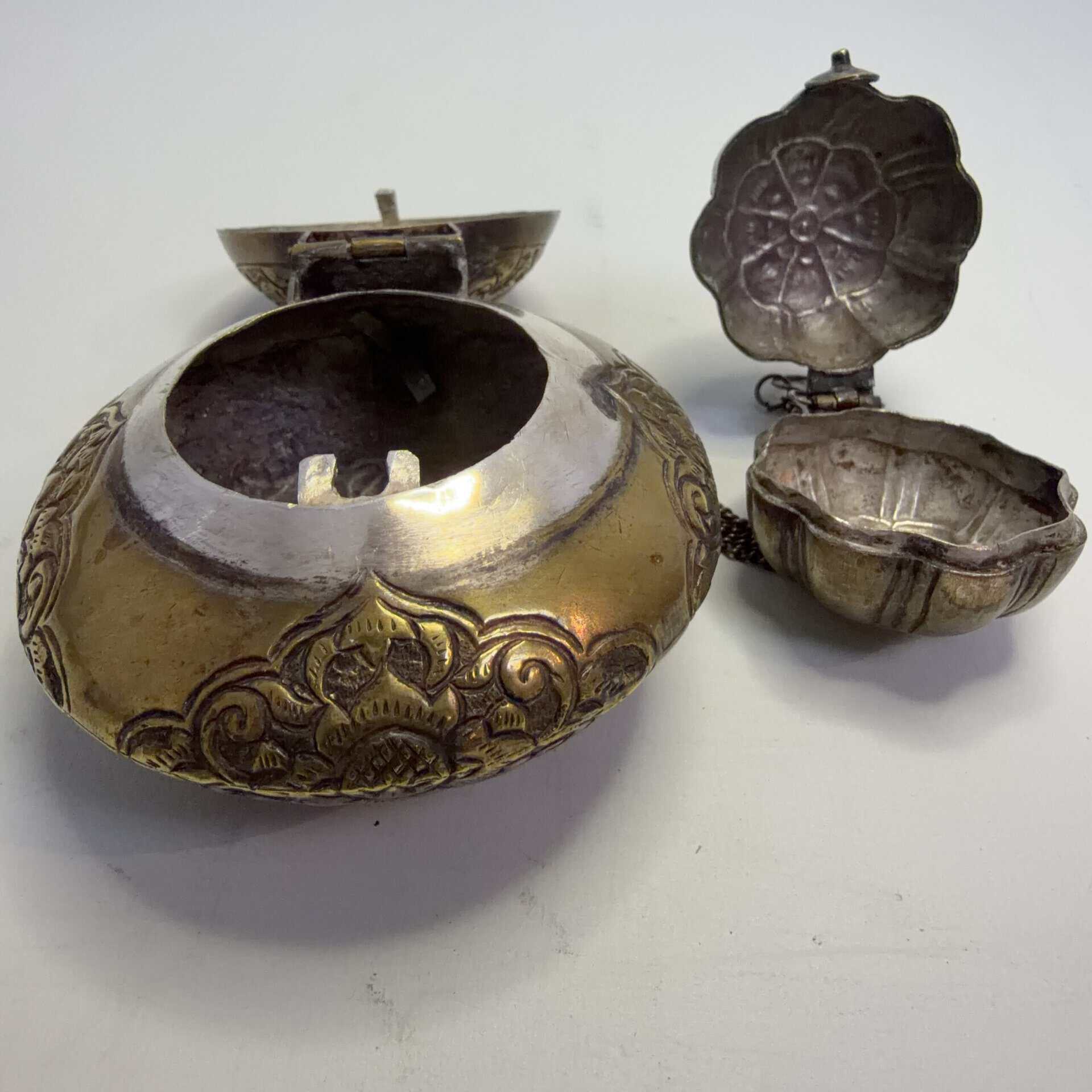
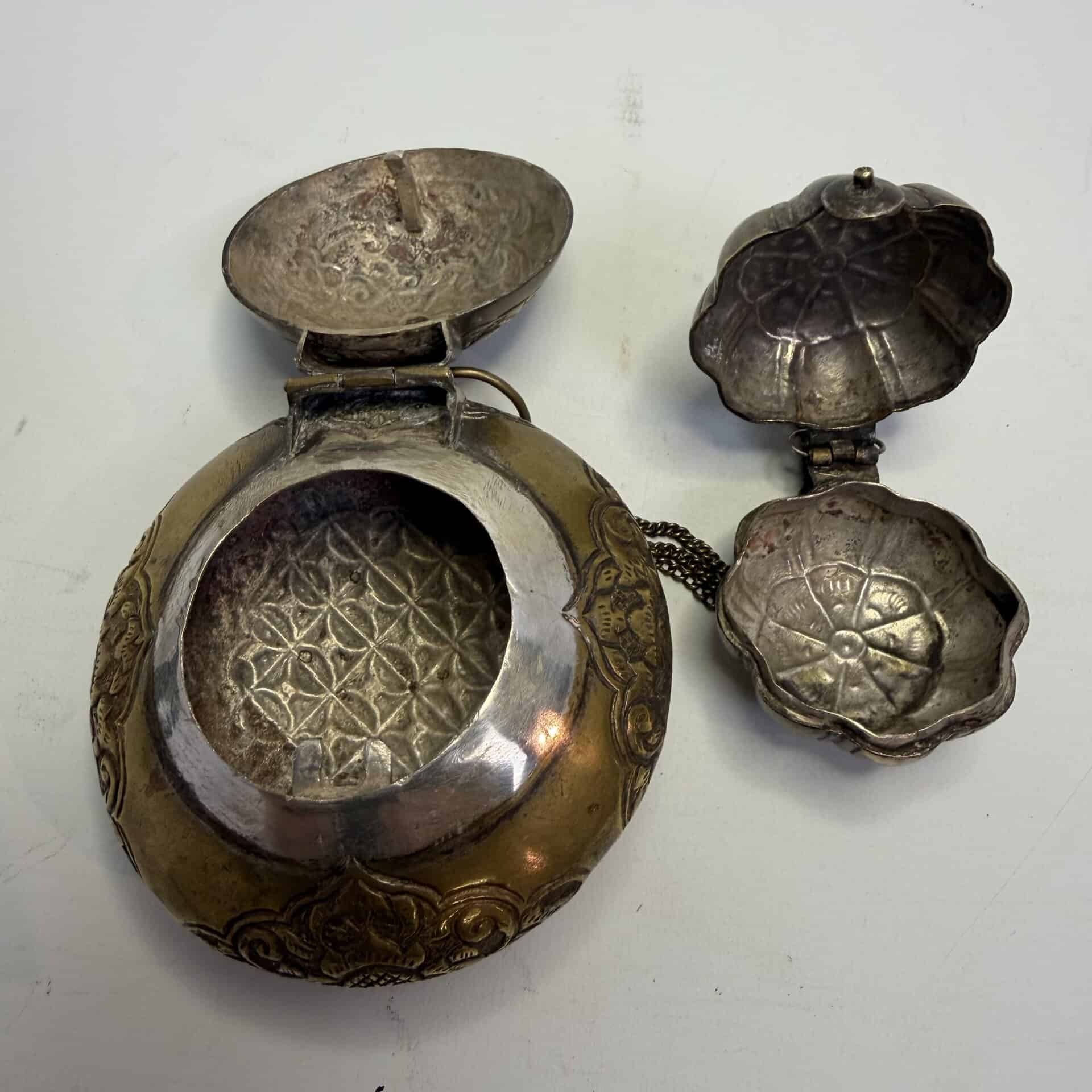
The larger container held betel leaves (sirih) or sliced areca nuts (pinang). It features a hinged lid with intricate embossed floral arabesques and traditional foliage motifs common in Sumatran craftsmanship
The smaller companion container was designed explicitly to hold quicklime. Lime acts as an essential chemical activator when chewing the betel quid, releasing the mild stimulant properties of the areca nut. Its fluted pumpkin shape is a classic style
The interior rims and internal surfaces show a distinct, contrasting silver color. This indicates the brass was originally washed or plated with coin silver to prevent the moist lime paste (kapur) and acidic betel components from corroding the raw copper alloy.
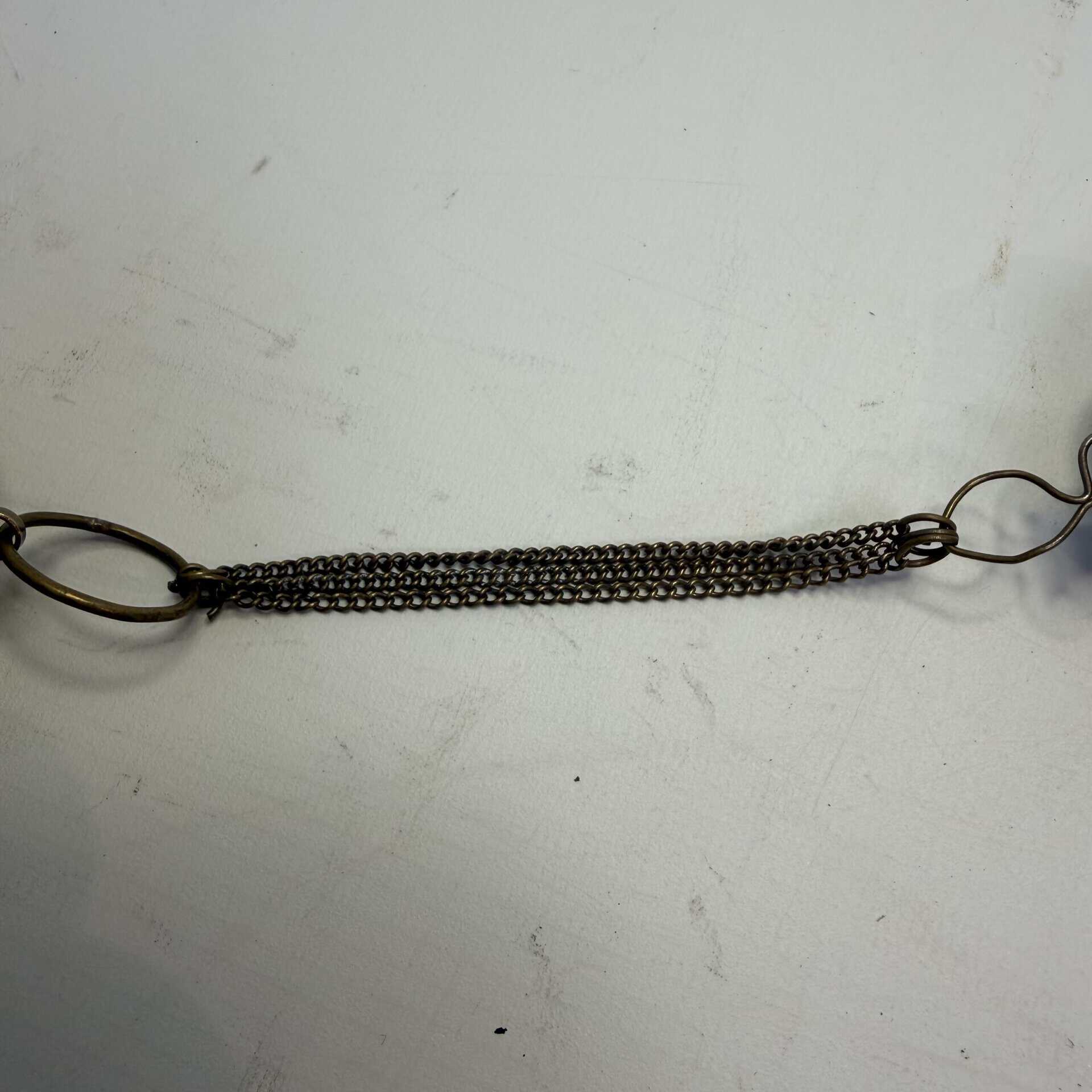
The chain allowed the user to securely attach the lime container directly to the main box, preventing the small lid from being lost while traveling or offering a quid to guests.
The deep golden-brown patina highlights the age and authentic handling of the piece
Late 19th century Indonesian craftmanship