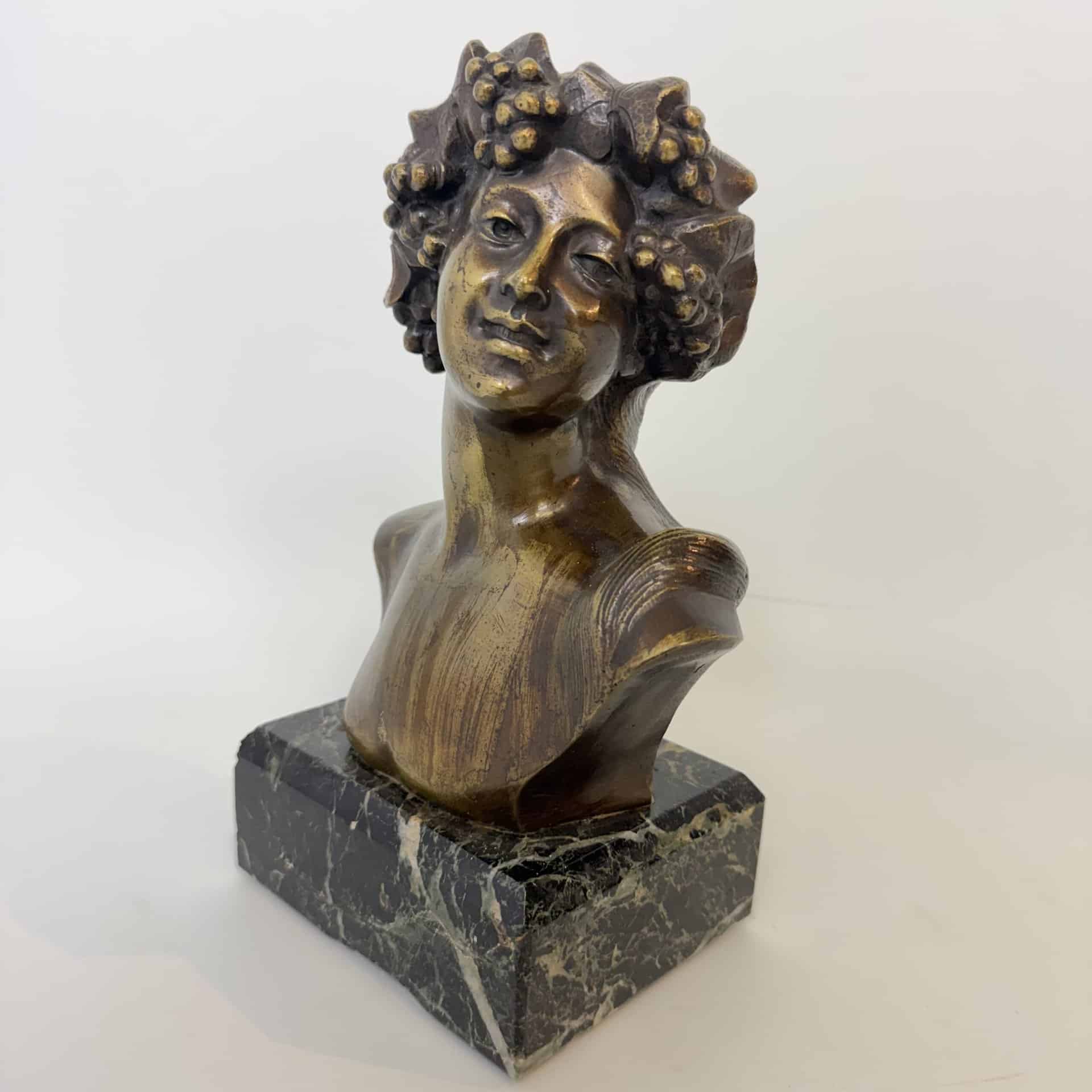
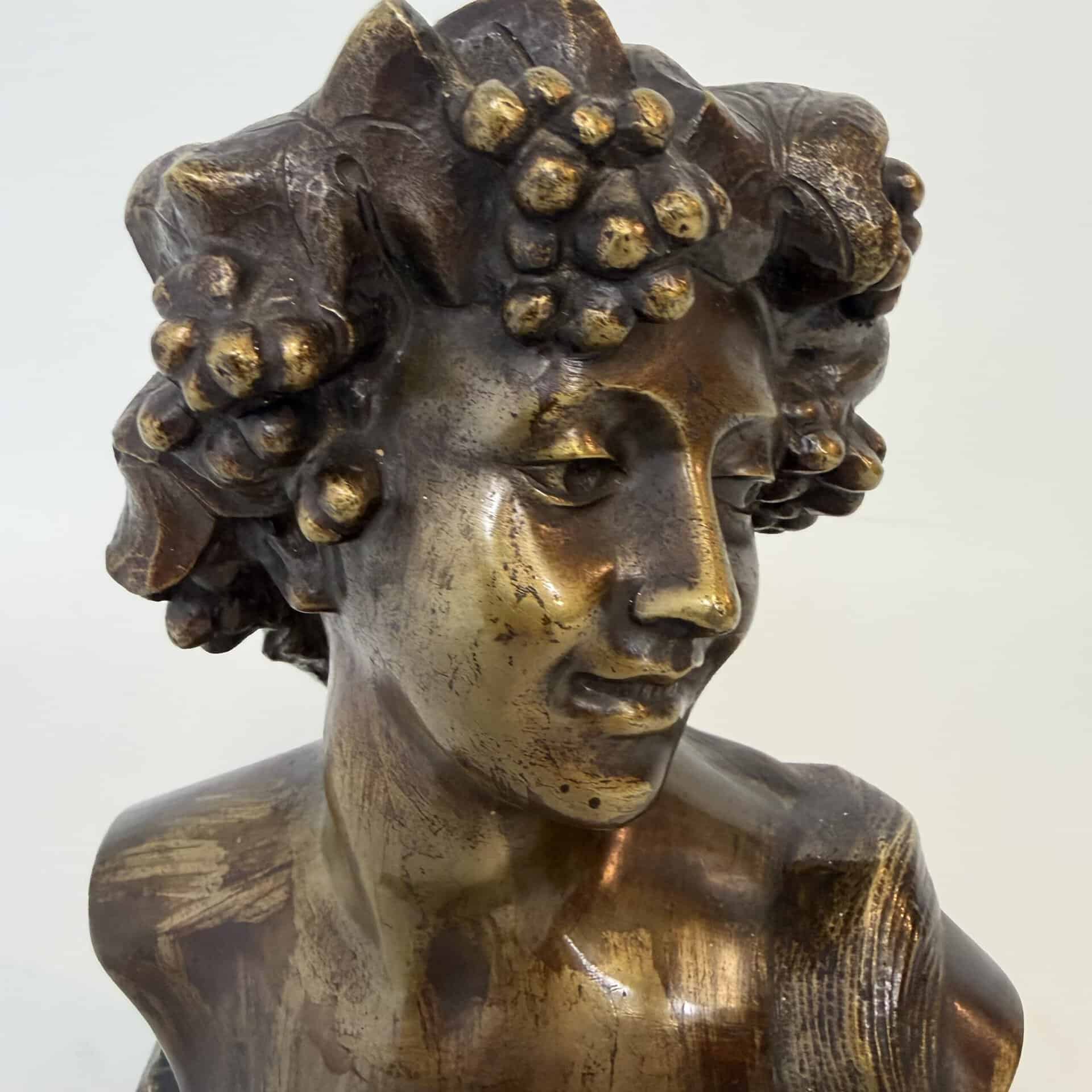
Bust of Flora by Jef Lambeaux
€ 450


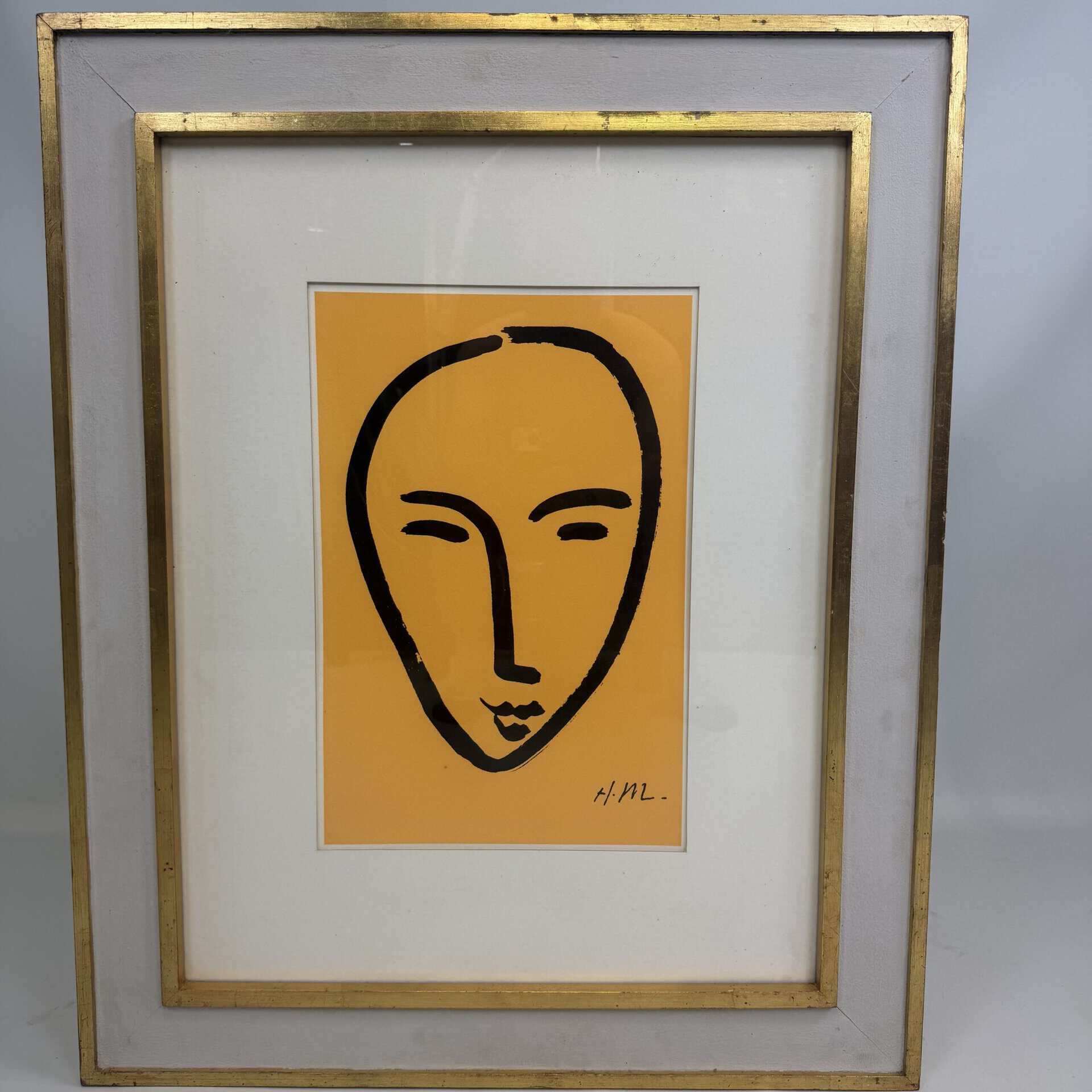
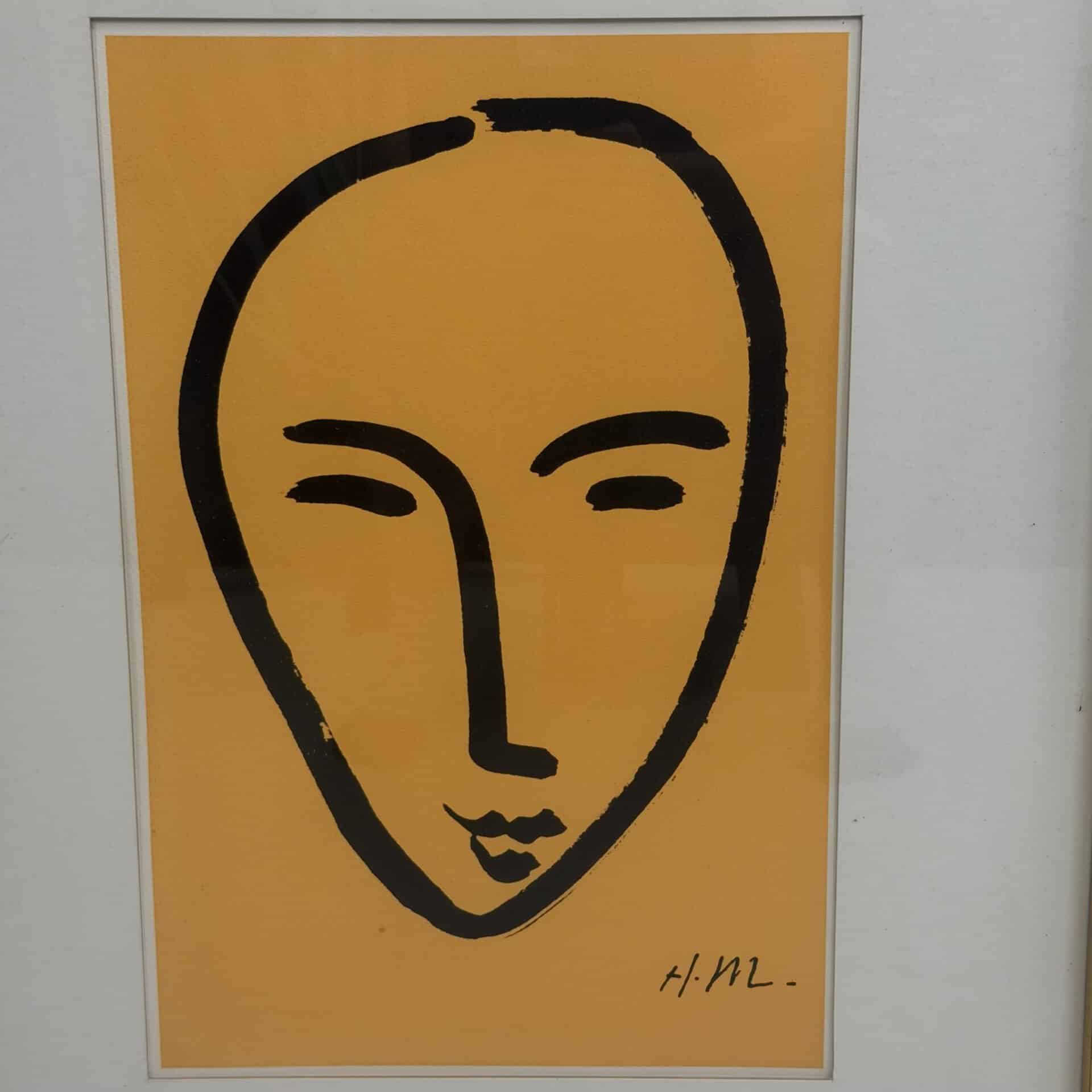
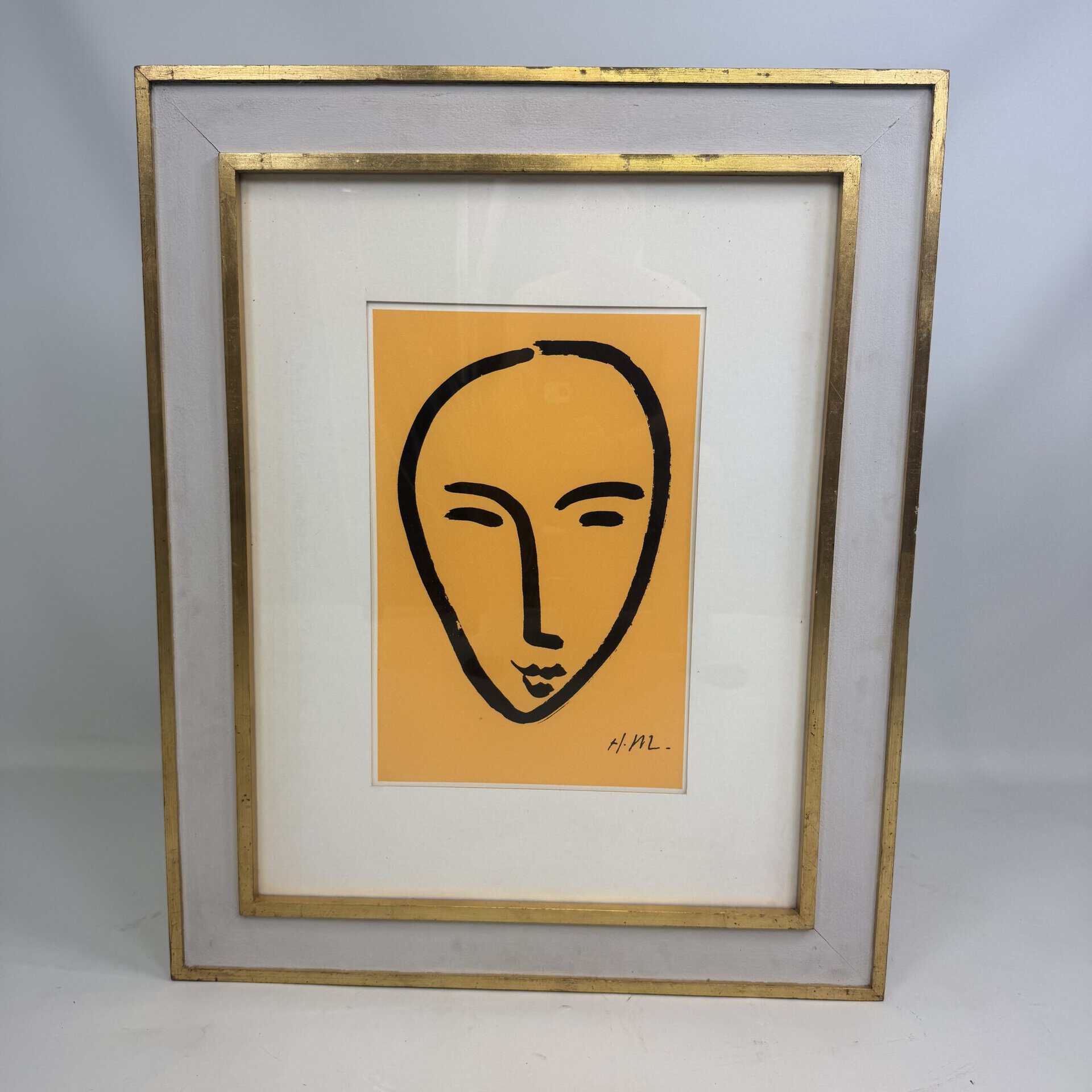
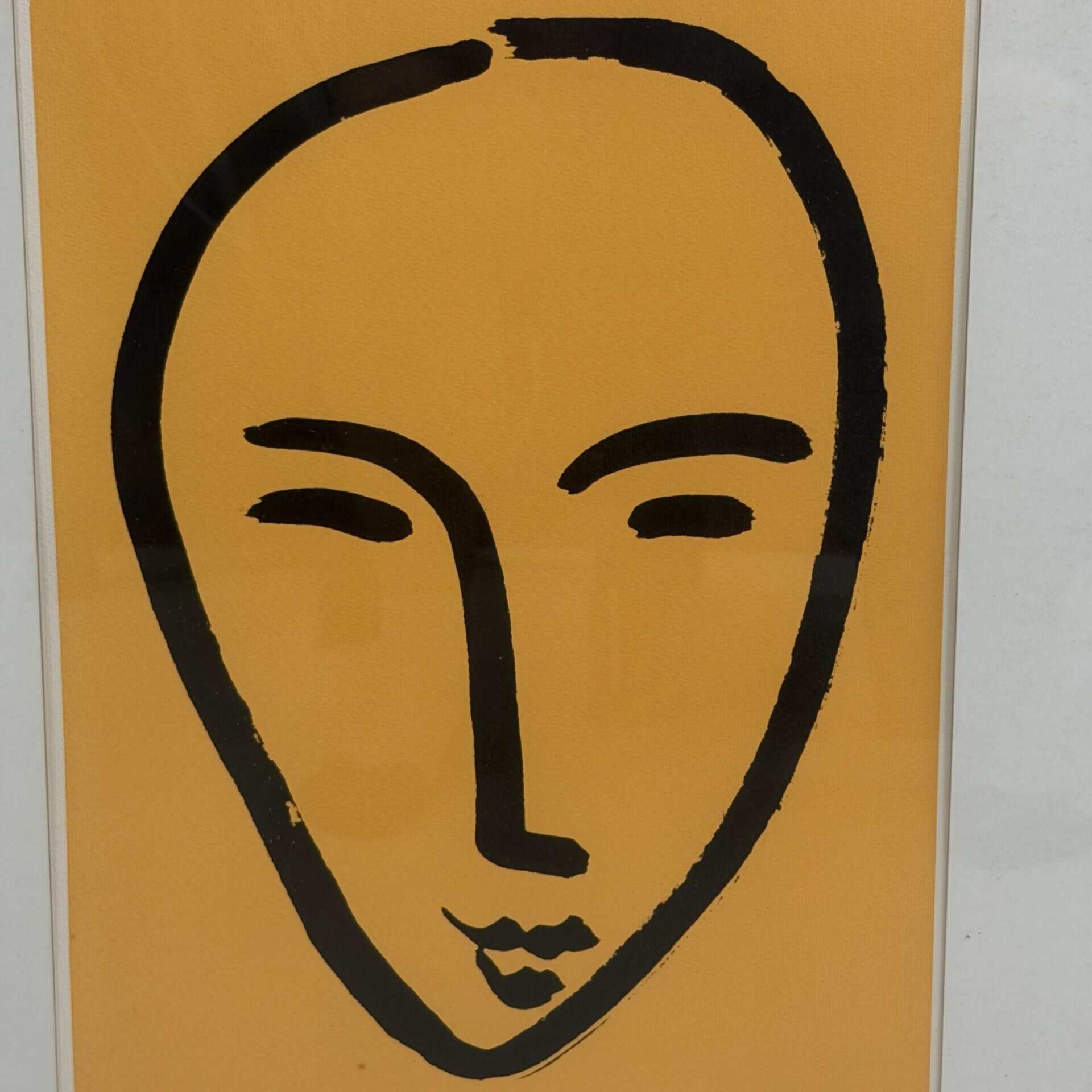
‘Visage sur fond jaune’ (1952) is one of the most iconic minimalist portraits from Matisse’s late period
The work reflects his absolute mastery of line. With just a few, precise black brushstrokes, he managed to capture a serene and universal facial expression. The bright, even yellow background provides a powerful contrast that immediately draws the eye and perfectly aligns with the principles of Fauvism
Henri Matisse (1869–1954) was regarded as the leader of Fauvism, a movement known for its vivid, unnatural colours
The original work is a gouache with Chinese ink on paper and is on display at the Grenoble Museum (on long-term loan from the Centre Pompidou in Paris)
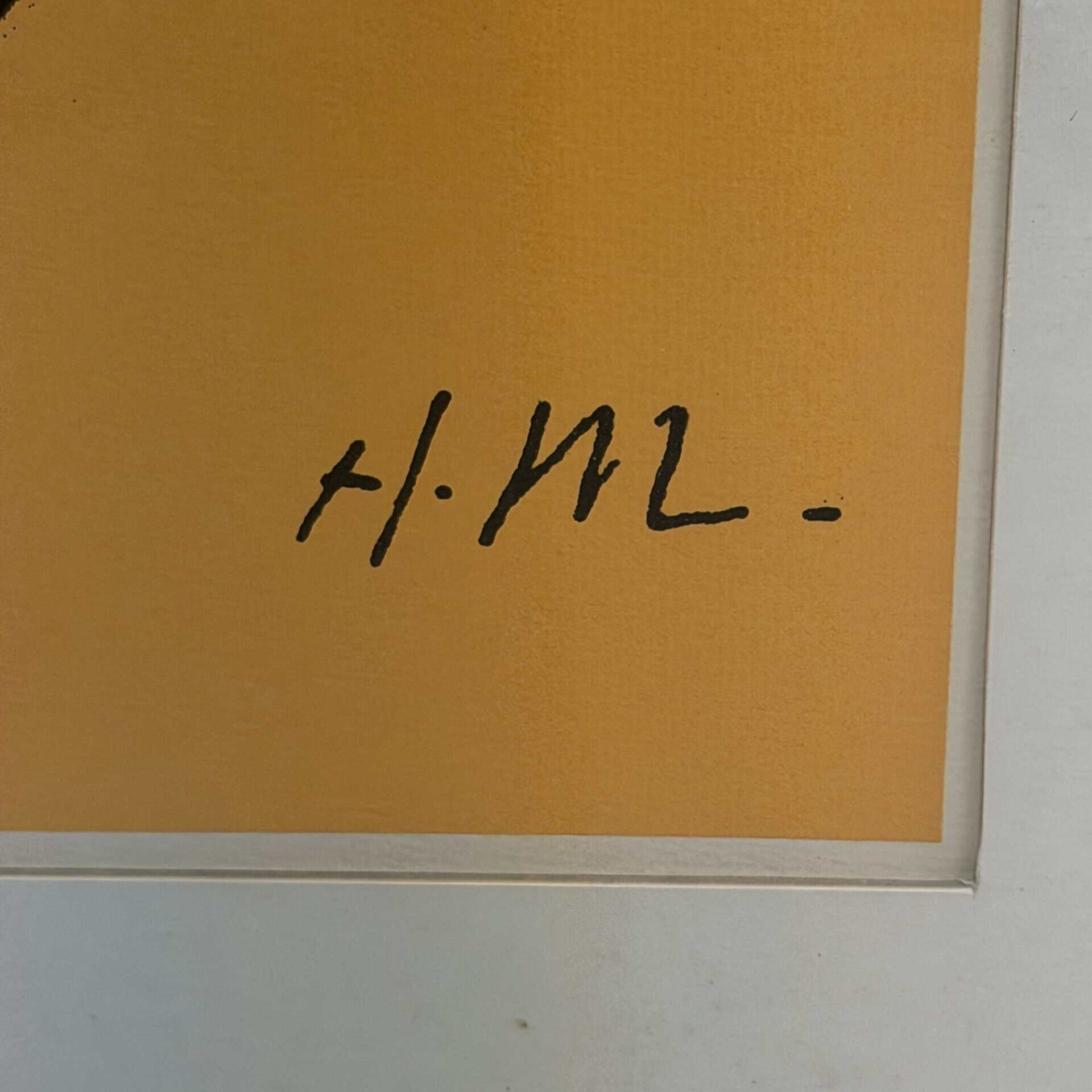
Monogrammed ‘H.M.’ in the bottom right-hand corner. This signature has been reproduced exactly from Matisse’s original brush signature and forms part of the printing plate (an ‘édition d’après’ or ‘after Matisse’)
In 1952, the Grande Salle des Expositions at ‘La Réserve’ in Knokke (Belgium) organised a major retrospective exhibition dedicated to Henri Matisse
An exclusive series of graphic reproductions was printed specifically for this exhibition and authorised at the time. These silkscreen prints were produced to make Matisse’s work accessible to collectors and visitors to the exhibition
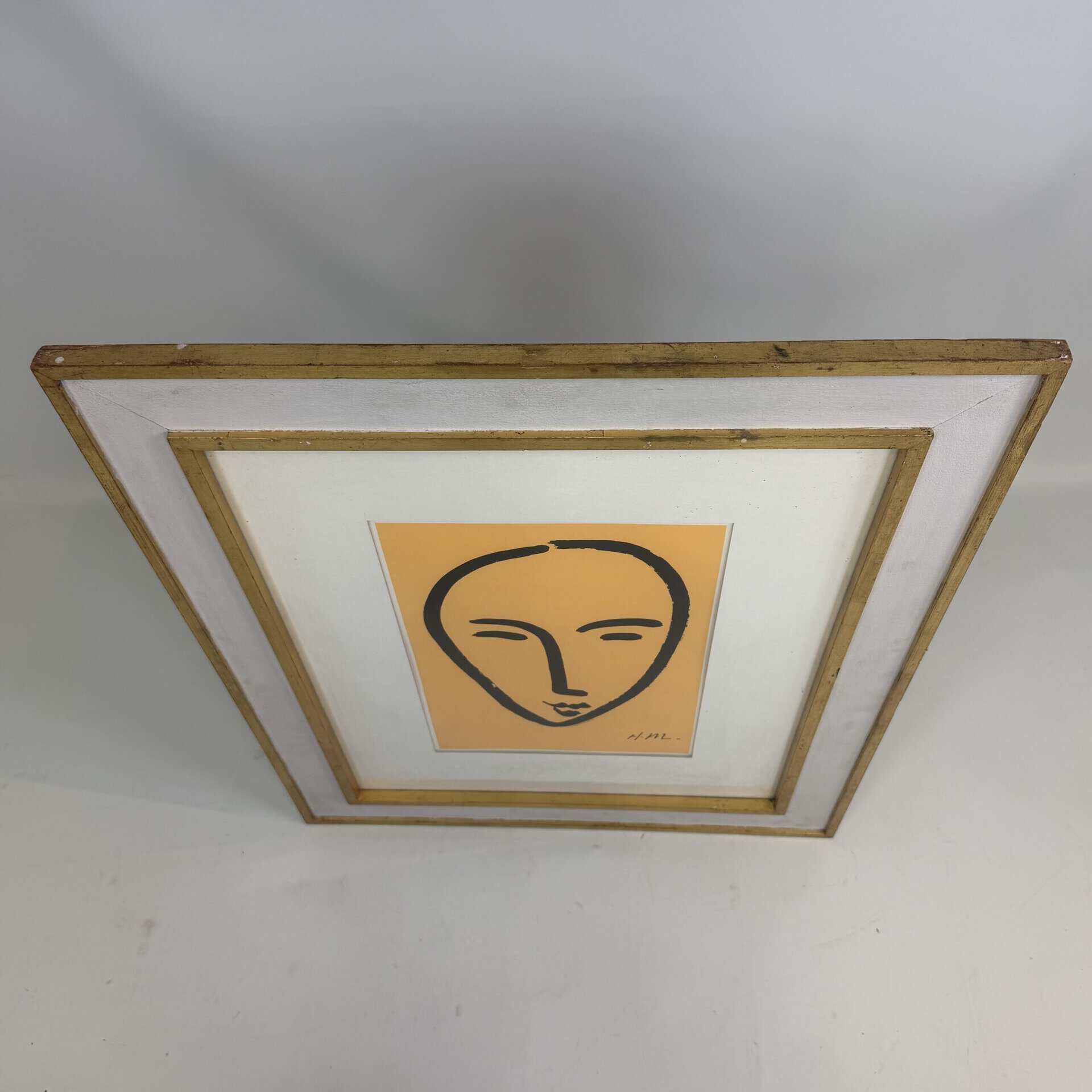
The work is framed in a layered wooden frame covered with gold leaf
What makes this frame special is its sense of depth: the gold borders run both along the very outer edge and along the inner edge (right up against the mat)